
Exploring the psychology behind casino game preferences
The Influence of Personality on Game Choices
Personality traits play a significant role in determining which casino games individuals are drawn to. For instance, extroverts may gravitate towards socially interactive games, such as poker or blackjack, where they can engage with others, while introverts might prefer solitary games like slots. This reflects a deeper psychological need for social interaction or solitude, influencing their gaming preferences. Moreover, the rise of online platforms, including bitcoin casinos, has introduced new variables into these dynamics, attracting a broader audience.
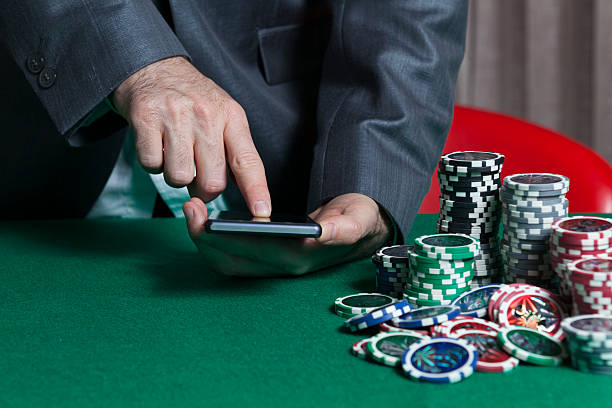
Moreover, individuals with a high level of risk tolerance are likely to enjoy games that offer higher stakes, such as roulette or baccarat. Conversely, those who prefer a more cautious approach may opt for games that involve lower risk, seeking the thrill of smaller but more frequent wins. Understanding these personality dimensions helps casinos tailor their offerings to better meet the preferences of different customer segments.
The Allure of Chance and Luck
The psychological appeal of chance and luck is another critical factor in casino game preferences. Many players are attracted to games that emphasize luck over skill, such as slot machines, where the outcome is entirely random. This randomness provides a rush of excitement, as players experience the thrill of potentially hitting a jackpot, even if their chances are slim.
This fascination with luck can stem from a desire for escapism, allowing players to step away from reality and indulge in the possibility of unexpected fortune. It taps into deeper psychological desires for hope and the excitement of the unknown, which can be incredibly compelling in a casino environment.
The Role of Reward Systems
The structure of rewards in different casino games also impacts player preferences. Casinos often implement reward systems, such as loyalty points or bonuses, to encourage continued play. Games that offer immediate gratification, like slot machines with instant payouts, typically attract players who seek quick rewards, enhancing their gaming experience.
On the other hand, games that require more strategy, such as poker, might appeal to those who appreciate delayed gratification. These players find satisfaction in honing their skills and anticipating the larger rewards that come with successful betting. This dynamic reflects a broader psychological understanding of how different reward systems can cater to varied preferences among players.
The Social Dynamics of Casino Gaming
Casinos are not just places for individual gaming but are also social environments where interaction plays a crucial role. The social dynamics of gaming affect preferences significantly; players often prefer games that allow for socialization and entertainment. This is especially evident in table games where players can communicate, share strategies, and celebrate wins together.
The communal aspect of playing can enhance the enjoyment and engagement level, making games feel more inviting. This social interaction can create a sense of belonging among players, further influencing their game choices. Thus, a psychology-driven approach to gaming can help casinos create spaces that foster social connections while accommodating individual preferences.

About the Website
This website is dedicated to exploring various topics, including the intriguing psychology behind gambling behaviors. While currently focusing on the complex world of casino preferences, it aims to provide insights that engage readers interested in understanding the multifaceted nature of gaming.
As the site expands, it plans to delve deeper into historical, psychological, and sociocultural perspectives on casinos, aiming to educate and inform visitors about the diverse aspects surrounding this fascinating subject. Stay tuned for more engaging content that sheds light on the world of casino gaming.
