
Exploring the psychology behind casino gambling What drives players to take risks
The Allure of Risk: Understanding the Thrill
The excitement of casino gambling often stems from the inherent thrill associated with taking risks. Players are drawn to the uncertainty of outcomes—whether it’s the spin of a roulette wheel or the roll of dice. This uncertain environment triggers a rush of adrenaline, a phenomenon closely linked to the brain’s reward system. When players engage in gambling activities, they experience a heightened state of arousal that can be both exhilarating and addictive. In the world of gaming, some might even find success at a top bitcoin casino, adding another layer of excitement to their experience.
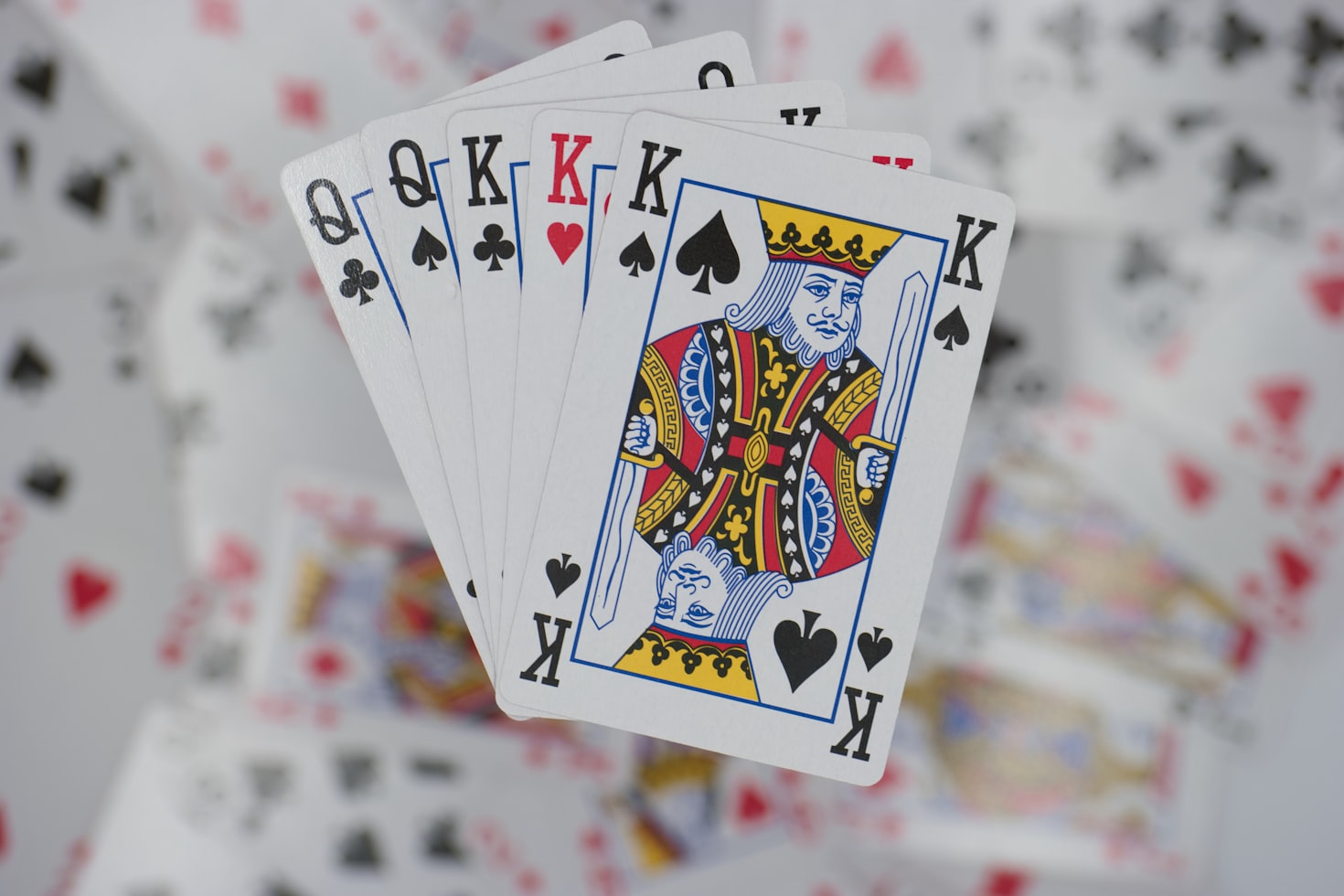
This thrill-seeking behavior is deeply rooted in human psychology. Many individuals enjoy the sensation of defying odds and overcoming challenges, which is why the casino environment becomes so captivating. The potential for a big win, even if remote, creates a compelling narrative that keeps players coming back for more, often blurring the line between entertainment and obsession.
The Role of Cognitive Biases in Gambling Decisions
Cognitive biases play a crucial role in how players perceive their chances of winning. One common bias is the “gambler’s fallacy,” where individuals believe that past outcomes influence future results. For example, a player might assume that a particular slot machine is “due” for a payout after a series of losses. This irrational thinking encourages players to continue risking their money in hopes of an imminent win.
Additionally, confirmation bias leads players to focus on their wins while disregarding their losses. This psychological phenomenon reinforces the belief that they possess a certain level of control over their gambling success. By selectively remembering victories, players increase their willingness to take risks, perpetuating the cycle of gambling behavior.
The Social Dynamics of Casino Gambling
The social environment within casinos can also significantly influence gambling behaviors. Many players enjoy the camaraderie that comes from sharing experiences with others, leading to a sense of community around gambling activities. This social aspect can amplify the excitement of gaming, making risk-taking feel more acceptable and even enjoyable.
Moreover, peer pressure and social reinforcement contribute to players’ decisions to engage in risky behavior. Observing others win—whether in person or through media portrayals—can inspire individuals to take similar risks in hopes of achieving comparable success. The blend of social connection and competition further intensifies the allure of gambling.
The Emotional Rollercoaster: Wins and Losses
The emotional highs and lows associated with gambling heavily impact players’ psychology. Winning can evoke feelings of euphoria, self-worth, and validation, while losses can lead to frustration, anger, or even despair. This emotional rollercoaster keeps players engaged, as they may believe that the next game will bring a change in fortune that will restore their happiness.
The anticipation of a win creates a powerful emotional response that can overshadow the reality of gambling’s risks. Players often chase losses, hoping to recoup their funds, which can lead to increasingly reckless decisions. This cycle of hope and disappointment is a key component in understanding the psychological factors that drive risk-taking behavior in the casino context.

Empowering Decisions Through Tools Like Leadmonk.io
As we explore the psychology behind casino gambling, it’s essential to recognize the importance of making informed decisions. Just as players must navigate the uncertain waters of risk and reward, individuals can benefit from tools designed to enhance productivity and organization. Platforms like Leadmonk.io empower users to streamline their tasks and manage their goals effectively.
By focusing on clarity and structure, such tools help individuals avoid the pitfalls of impulsive decision-making, whether in gambling or everyday life. Understanding one’s motivations and leveraging well-designed systems can pave the way for smarter choices, minimizing the risks associated with both gambling and personal endeavors.
